
Product case study
Omrylo Read
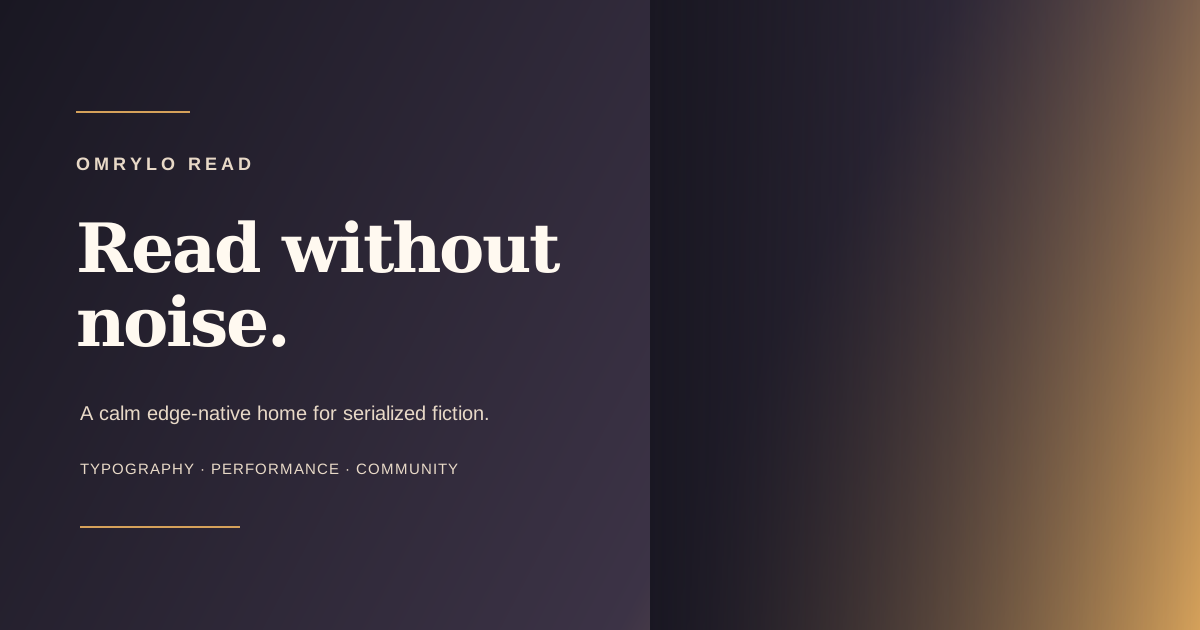
A reading product built on the edge, exploring calm typography, on-demand fonts, and paragraph-level discussion while its public content and rights workflow are being reviewed.
- Type
- Web product
- Status
- Beta · content review in progress
- Founder role
- Product direction, design, and development
- Core focus
- Reading experience and a verified publishing workflow
Context
Digital reading platforms often make the reading itself compete with pop-ups, aggressive advertising, oversized client bundles, and noisy engagement mechanics. Readers who only want to follow a long story are asked to navigate around the product before they can settle into the prose.
Omrylo Read was conceived as a content-first alternative: a contemporary fiction platform that treats typography, performance, and reader respect as primary product decisions rather than finishing touches.
Goal
The goal was to make screen reading feel as calm and legible as a good physical book while keeping the discovery and interaction advantages of the web.
That meant combining a clear multi-category catalog, a responsive chapter reader, fine-grained controls for font, size, line height, spacing, and eye-care themes, and a discussion model that enhances the story without interrupting it.
Founder role
Ming led the complete product lifecycle: product strategy, information architecture, interaction and visual design, data modeling, content structure, and full-stack implementation with Next.js App Router and Cloudflare edge infrastructure.
The work also required deliberate restraint. Intrusive advertisements, forced app downloads, paywalled chapter gates, and heavy client-side tracking were left out so the product could build a higher-trust relationship with readers.
Key decisions
Every architecture and interface decision was measured against one question: does it preserve reader focus while keeping the system sustainable to operate?
Decisions
- Use a serverless edge architecture with Next.js App Router, Cloudflare Workers, and D1 so story pages stay fast without a traditional application server.
- Load the eight open-source reading fonts only when a reader selects one, keeping the first visit light while still giving typography a meaningful role.
- Persist typography preferences, line spacing, and reading themes locally so personalization works across chapters without unnecessary database requests.
- Keep paragraph-level discussion in a side drawer so readers can talk about a specific passage without covering the main prose.
- Run a cover optimization pipeline that turns a large source collection into lightweight WebP assets served from the edge cache.
Current result
Omrylo Read is being prepared as a public reading product at read.omrylo.com. Its typography, chapter reader, and interaction model can be evaluated, while the public content catalog is undergoing rights, attribution, and editorial review.
The product direction covers category discovery, chapter reading, personal reading preferences, and paragraph-level discussion. Public stories should only be opened after their source, author, publication rights, and content safety status are verified.
The current result is therefore described through inspectable product behavior and an explicit review status, not through an unverified claim that every story in the catalog is community-created or ready for monetization.
What this work clarified
In content-heavy products, restraint is a competitive advantage. When a platform removes commercial noise and invests in typographic comfort, the story—not the interface—can become the strongest part of the experience.
The project also confirmed that modern edge primitives let a focused team deliver fast global distribution, relational data, and a polished content product without operating a large backend cluster.
Working evidence
A reading system in use.
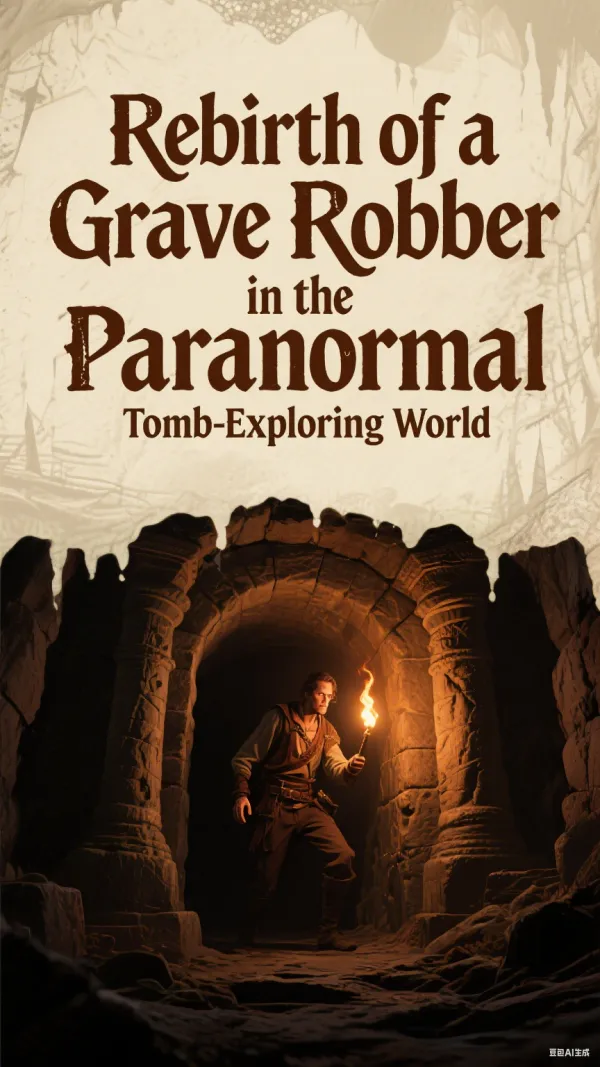
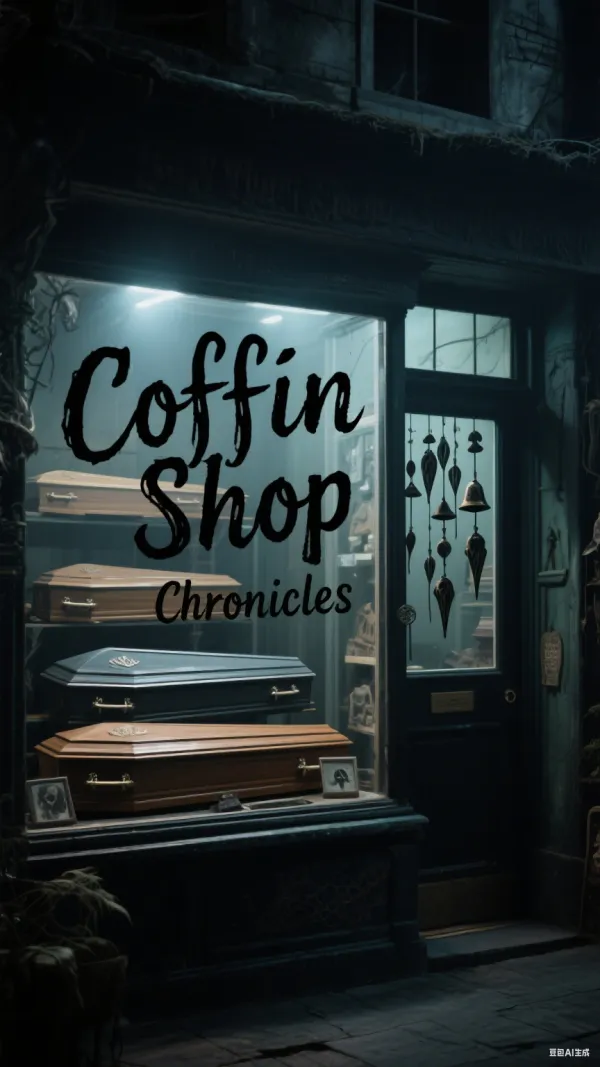
Product interface examples showing the intended visual language of the reading experience; public content rights are reviewed separately.


Experience the product
Read without noise or compromise.
Explore the reading product direction and follow its content review progress before public stories and advertising are expanded.
Open Read Beta